Photo: steelers.com
The Steelers entered last offseason in a familiar place—staring directly at the same problems that had defined the franchise for years, only now with the weight of another postseason failure pressing down on every decision. The collapse from 10–3 to another one‑and‑done playoff exit didn’t just sting; it forced the organization to confront the uncomfortable truth that the issues holding them back weren’t new, and they weren’t going away on their own.
Before free agency opened or the draft board took shape, the Steelers were already wrestling with three defining questions:
The answers weren’t obvious then—and the fact that they still linger today says everything about where the franchise stood one year ago.
The Steelers’ defense had talent, star power, and moments of brilliance. What it didn’t have was consistency. Even with T.J. Watt anchoring the unit and a mix of veterans and new additions around him, the defense struggled to establish a reliable identity.
Communication issues surfaced throughout the season. Big plays were given up at the worst possible times. And when the playoffs arrived, the unit that was supposed to carry the team instead became the backdrop for another lopsided exit.
The conversation last February centered on whether the Steelers needed tweaks or a philosophical reset. Watt was the unquestioned foundation, but the pieces around him weren’t fitting together cleanly. The question wasn’t whether the defense had enough talent—it was whether the coaching staff could mold that talent into something cohesive, something dependable, something capable of winning in January.
The Steelers entered the 2025 offseason with no quarterbacks under contract. Not one.
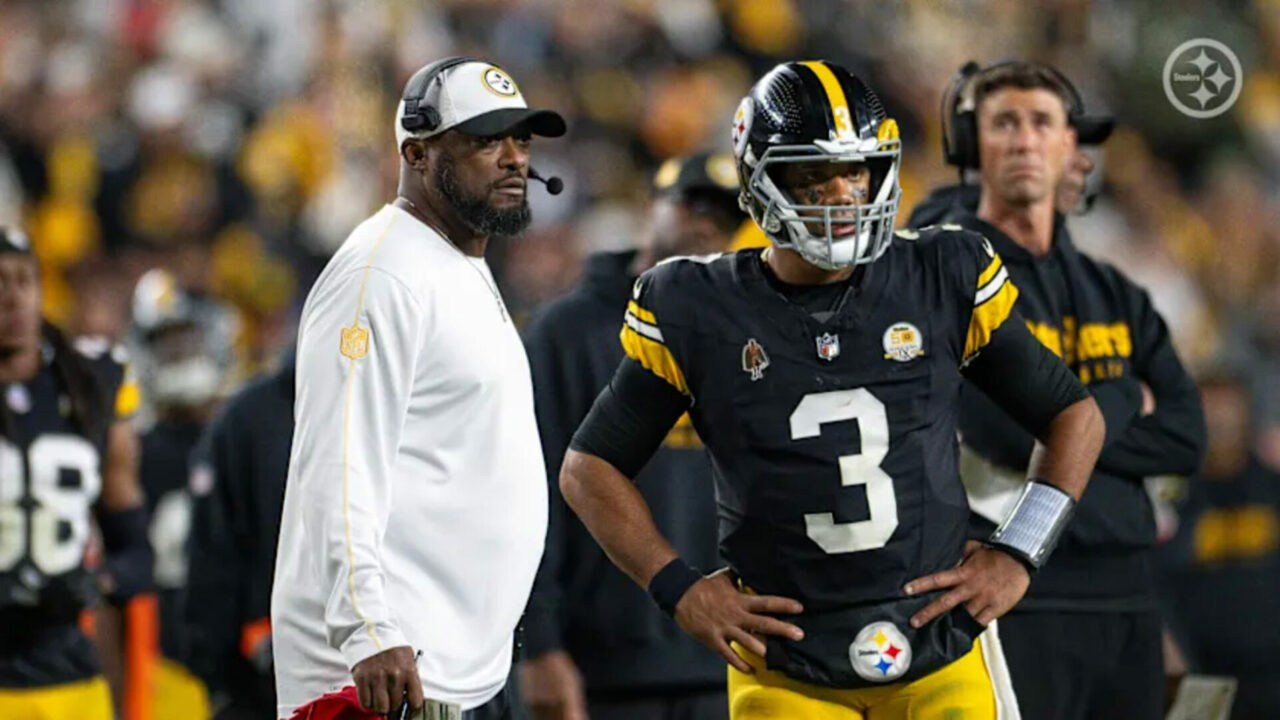
Russell Wilson and Justin Fields both hit free agency, and neither offered the kind of clarity the franchise desperately needed. Wilson had a strong midseason stretch but oversaw an offense that stopped scoring touchdowns when the games mattered most. Fields had youth and upside, but his résumé raised doubts about whether he could be trusted as a long‑term starter.
The organization was caught between two imperfect options:
The possibility of a complete reset—again—was real. And the market offered no obvious upgrade.
The Steelers weren’t choosing between good and bad. They were choosing between uncertain and uncertain. It was déjà vu at the most important position in sports.
Art Rooney II had promised fans that 2024 would be different. That the team would take the next step. That the postseason frustration would finally end.
Instead, the Steelers delivered another blowout loss—this time to Baltimore—and extended a drought that had become impossible to justify. The pattern was undeniable:
Three playoff trips. Three noncompetitive exits.
The questions that followed weren’t just about roster construction. They were about leadership, direction, and whether the franchise’s long‑held belief in stability had become a barrier to progress.
The Steelers weren’t just evaluating players. They were evaluating themselves.
The Steelers’ list of impending free agents revealed how thin the margin for error had become. Key contributors were aging, expensive, inconsistent, or all three. Others were productive but potentially priced out of Pittsburgh’s plans. Key debates included:
The team had to decide who fit the future and who didn’t, and the answers weren’t simple. The quarterback dilemma overshadowed everything, but the debates extended across the roster—from running back to cornerback to the middle of the defense.
Looking back, the themes of last offseason weren’t isolated storylines. They were symptoms of a franchise caught between eras—still competitive, still talented, but unable to break through the ceiling that had formed above them.
Those were the questions shaping the 2025 offseason. And the fact that they still resonate today is the clearest sign of how pivotal—and how unresolved—these moments truly were.
Stay tuned as we revisit another key moment from last season in next week’s Recall.