Reflecting back on the 2026 NFL Draft, the Pittsburgh Steelers did more than address offense and defense. They made a deliberate effort to improve field position, hidden yardage, and the third phase of the game: special teams.
While picks like quarterback Drew Allar and wide receiver Germie Bernard will draw the most attention, the full draft class tells a deeper story. Especially those picks made on day three of the draft.
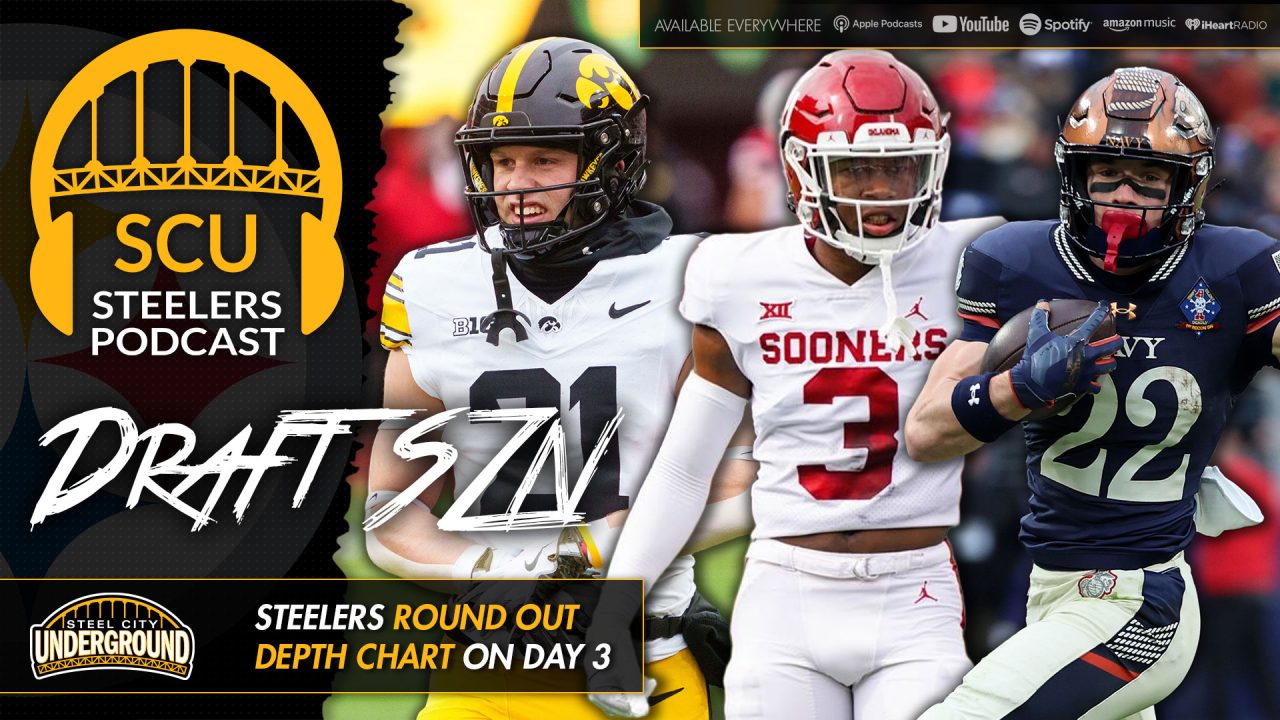
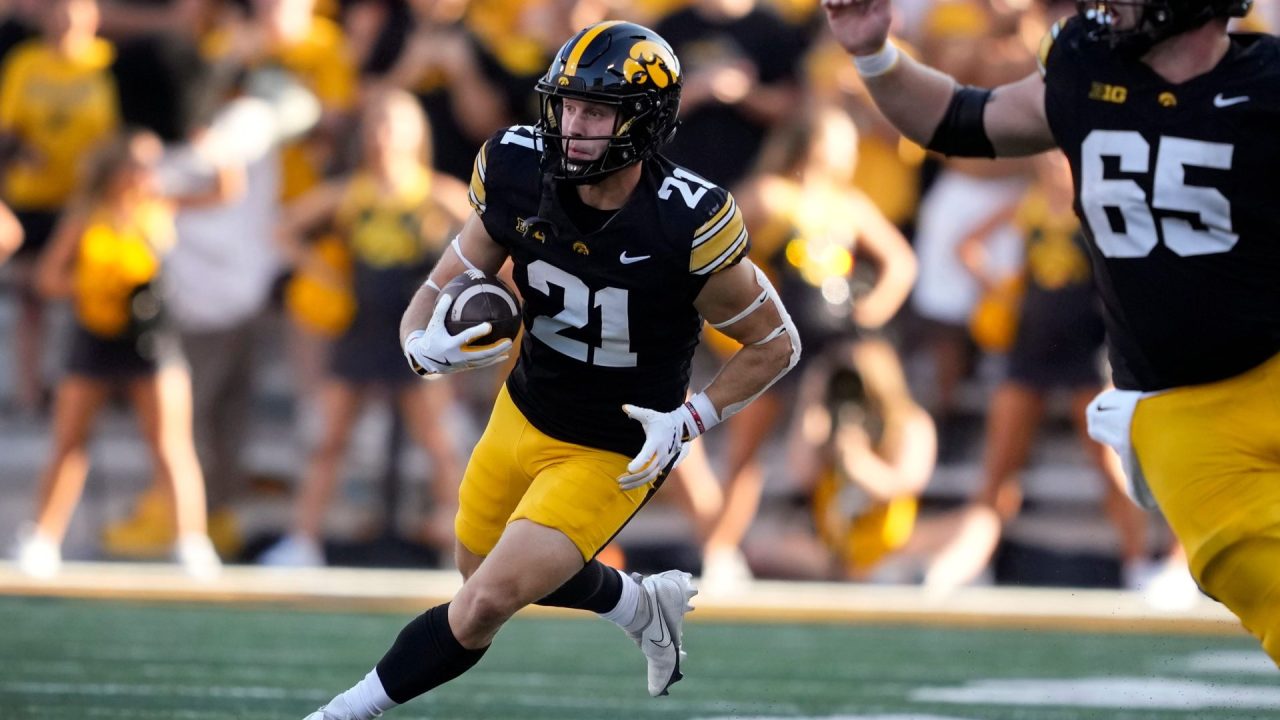
The most direct investment came with the fourth round selection of Iowa’s Kaden Wetjen, one of the most dangerous returners in college football. He led the Big Ten in punt return average at 26.8 yards, punt return touchdowns with three, and kickoff return average at 29.8.
That kind of production points to immediate impact potential, as noted by new special teams coordinator Danny Crossman after the Steelers selected Wetjen:
“In this new dynamic kickoff age of the NFL, to have a guy who, in our opinion, is very good at both, we think is going to be a major addition and pay dividends for the club.”
This pick said everything about what Pittsburgh quietly prioritized in the 2026 NFL Draft. For a team that struggled to generate explosive plays in the return game, there was a reason they selected Wetjen higher than some critics state they should have.
The Pittsburgh Steelers have had just one punt return touchdown since 2019, coming from Calvin Austin III in 2023. Before that, it was Diontae Johnson in 2019.
The kick return numbers tell a similar story, with only one touchdown since 2018, scored by Steven Sims in 2022.
That lack of consistent big-play production has limited the team’s ability to flip field position in an instant. With evolving kickoff rules putting more emphasis back on the return game, adding a player who can impact both punts and kickoffs gives Pittsburgh a chance to change that.
The need goes beyond highlight plays. In 2025, the Steelers were in the bottom third of the league in average starting field position, beginning drives around their own 26 to 27 yard line. (The league average typically sits closer to the 28 to 30 range.)
Pittsburgh finished tied for the fourth-worst kickoff return average in the league. They also ranked in the bottom quarter of the NFL in kickoff coverage, allowing 25.2 yards per return.
While they did not reach double digits in punt return average, that figure still ranked ahead of 11 other teams too.
Those differences may seem small, but adds up over the course of a game. It puts added pressure on the offense to sustain drives and reduces the margin for error. It also limits short-field opportunities that can swing momentum. Longer fields mean more first downs are required to score.
The inefficiency also impacts the defense, as forcing teams to start with their backs closer to their own endzone alters play calling on both sides. Improving special teams is one of the fastest ways to address that issue without changing the core of the offense or defense.
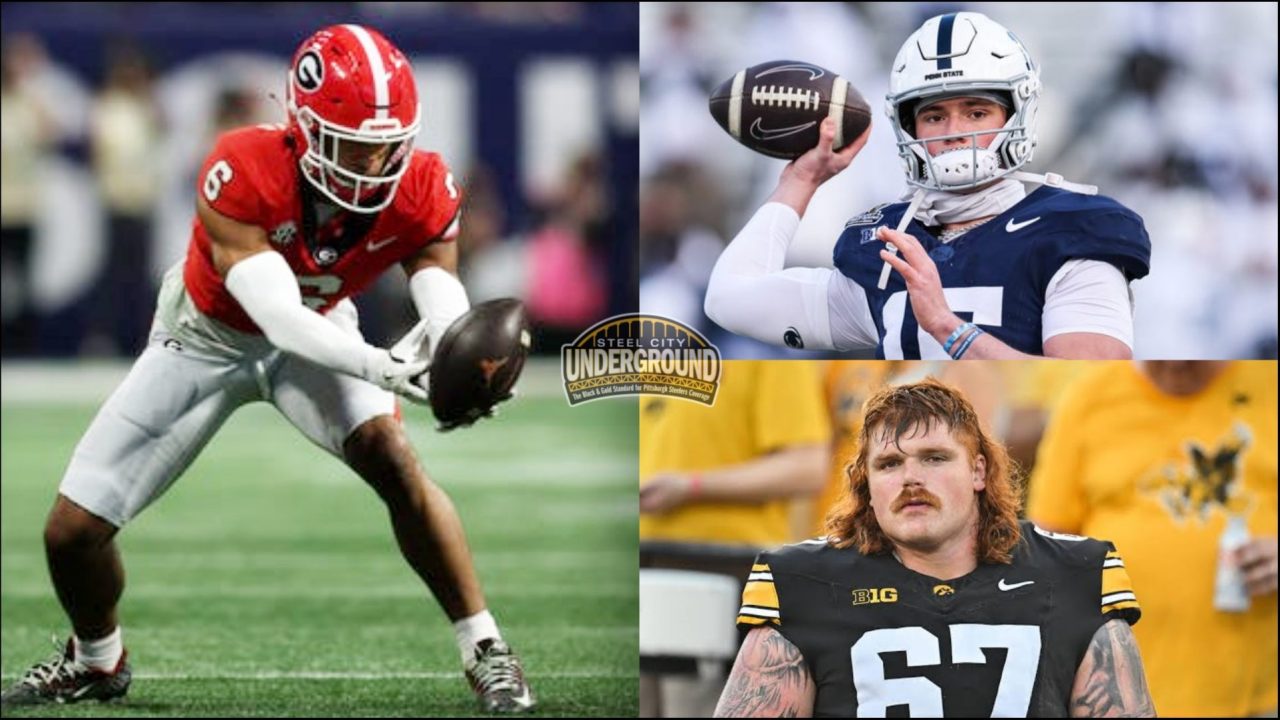
Several of the Steelers’ later picks also point directly to special teams contributions. Players like tight end and fullback hybrid Riley Nowakowski bring flexibility, but more importantly, they bring a willingness to block and contribute in multiple phases. Those traits often translate to early roles on coverage and return units.
Nowakowski, in particular, is believed to be a direct replacement for the equally versatile Connor Heyward (who left this offseason in free agency.)
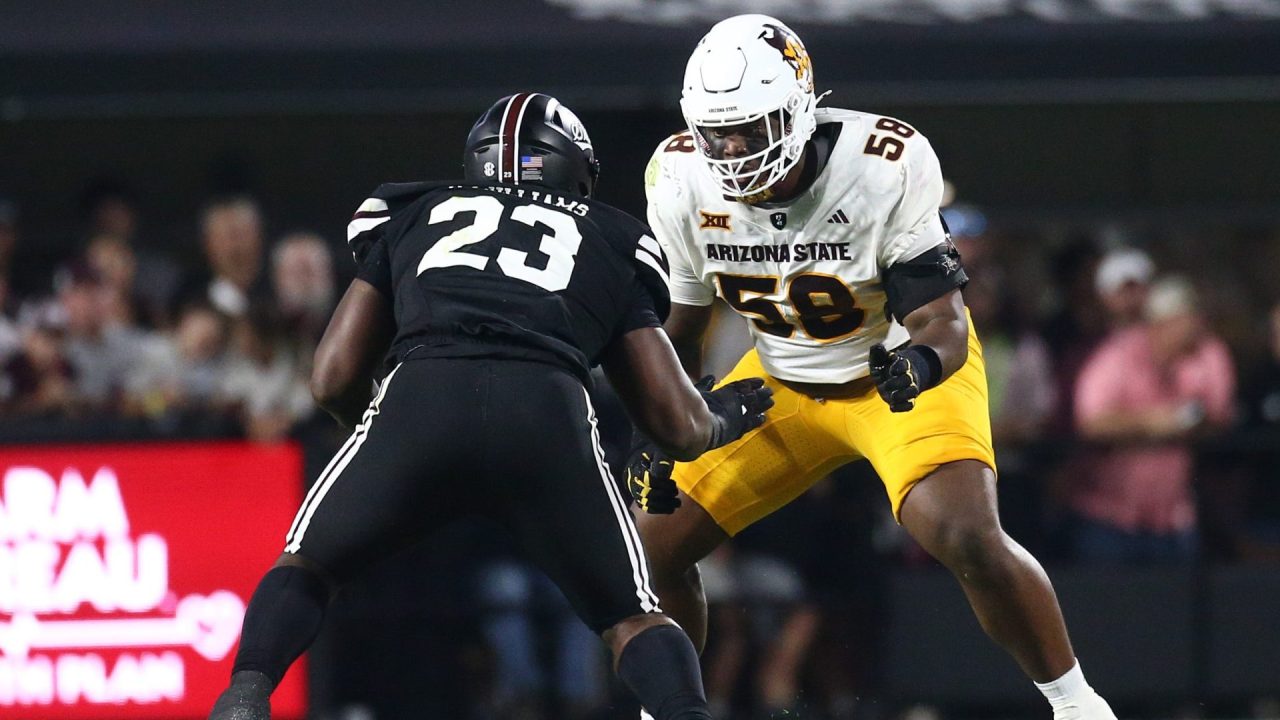
Other defensive additions such as Robert Spears-Jennings and Gabriel Rubio also fit this approach. It’s unlikely either sees meaningful playing time on defense. A versatile defensive back can wreak havoc on special teams while a huge hole stuffing defensive lineman could be critical on the line of scrimmage during a point-after-attempt or punt block situation.
Even if their defensive roles develop over time, their path to early playing time likely starts there. This approach has long been part of how NFL teams build their roster. Players earn their roles by contributing wherever they are needed.
Successful teams are not built on starters alone. Depth players who can contribute in specific situations often make the difference over the course of a season.
The Steelers’ 2026 draft class reflects that thinking. Instead of focusing only on future starters, they added players who can contribute immediately in supporting roles, especially on special teams.
That impact shows up in small but important ways. Drives start closer to midfield, opponents are pinned deeper, and the “hidden yardage” begins to tilt in Pittsburgh’s favor.
Due to the necessity of having to play many rookies in a starting role over the years, this development has stalled in Pittsburgh. Barring any injuries or other setbacks, the latter picks made by Pittsburgh, which also includes speedy RB/WT Eli Heidenreich, should finally improve the special teams unit.
In years past, the team lost players such as Logan Lee or Ryan Watts to injury, forcing them to staff special teams with either starting players (who get fatigued by the extra reps in game) or street free agents, who are tasked with learning assignments quickly. (And let’s fact it, those free agents are priority players if no NFL teams have signed them in-season yet.)
With several additional picks, this draft focused on fixing this hidden vampire of football productivity.
There was no headline move tied strictly to special teams in this draft. There was no selection of a specialist, nor was a major splash necessary for one. Chris Boswell is already one of the game’s best kickers, Christian Kuntz is a solid long snapper, and the returning Cameron Johnston was in a punting battle for the job last season. (One in which he could’ve easily won but became a cap casualty.)
However, the intent was clear.
The Steelers identified a weakness in field position and return production and took steps to address it. From adding a high-level returner to reinforcing the roster with versatile, physical depth pieces, this draft quietly reshaped the foundation of their special teams unit.
It may not dominate headlines, but it is the kind of change that can influence games every single week.